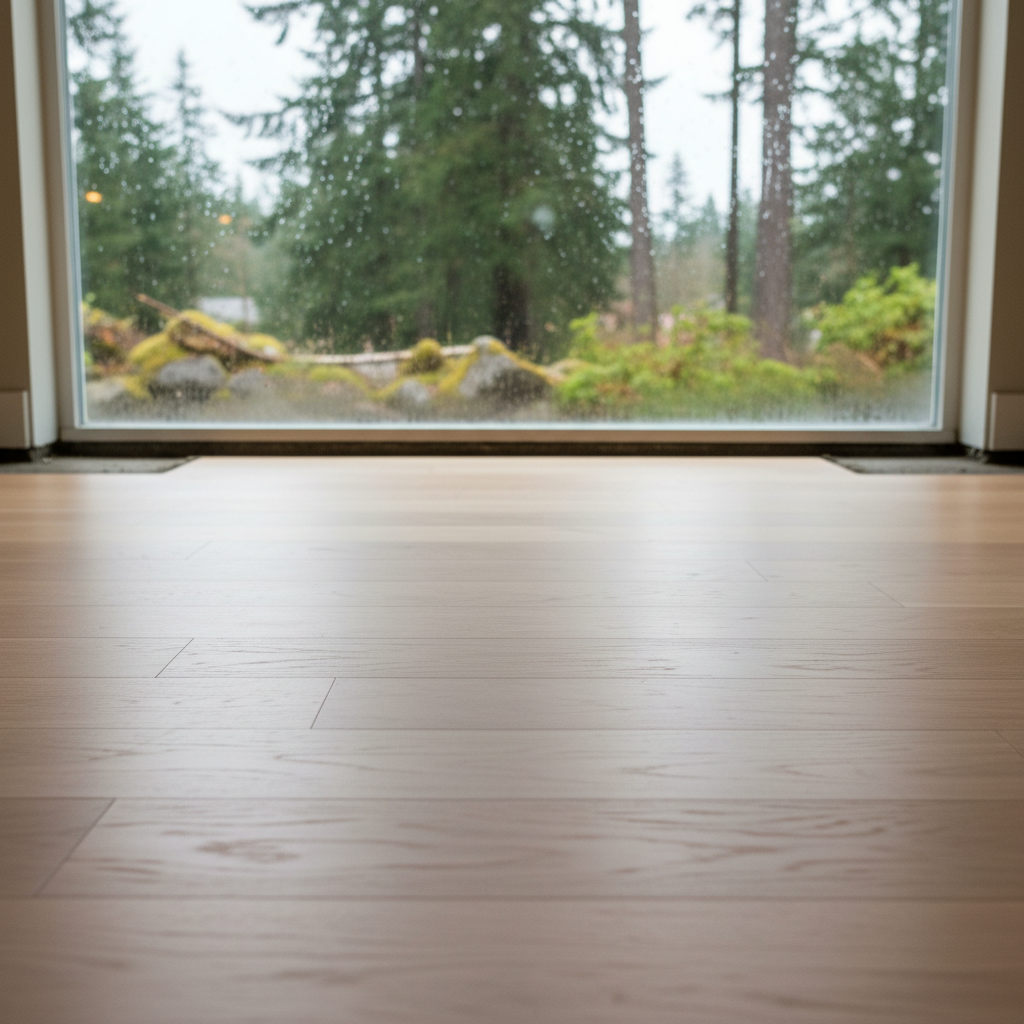
Water pooling on your kitchen floor or soaking into your carpets is never how you want to start your morning. If you live around Stanwood, you already know how fast a heavy atmospheric river or a stubborn plumbing leak can test your home's defenses. When water gets inside, every minute counts. United Harbor Restoration Company gets calls all the time from homeowners wondering what they can tackle on their own and when they need to bring in heavy-duty commercial gear.
Before the Extraction Team Arrives
Safety comes first, long before any extraction equipment gets plugged in. If the water is near your electrical panel, appliances, or wall outlets, kill the power immediately at the main breaker if you can safely reach it. Shut off the main water valve if you are dealing with a burst pipe or a major appliance failure. You can realistically handle mopping up surface puddles with towels or a wet-dry shop vac if the spill is small and contained to a single area like a laundry room. But do not waste time trying to dry out soaked wall cavities or saturated insulation by yourself. Water travels fast through subflooring and framing, especially in older homes around downtown Stanwood where crawl spaces trap moisture year-round.
During the Water Extraction Process
When professional help arrives, the first order of business is mapping out the moisture. United Harbor Restoration Company uses thermal imaging cameras and digital meters to see exactly where the water migrated behind baseboards and under flooring. Commercial Water Damage Restoration is a whole different process than household cleanup. We drop heavy-duty truck-mounted extractors and submersible pumps to pull gallons of standing water out of carpets, pads, and hard surfaces rapidly. After the bulk water is gone, industrial air movers and low-grain dehumidifiers go to work. Leave these running continuously. Moving or turning them off early leaves hidden pockets of moisture trapped, which leads straight to warped hardwood floors and mold growth within forty-eight hours.
After the Equipment is Picked Up
Once the relative humidity levels drop back to normal and structural materials test dry, the Water Damage Restoration phase begins. You will need to inspect baseboards, drywall, and flooring for lingering warping or staining. If drywall was cut away during the drying process to vent wall cavities, patch and paint work will be next on your list. Keep a close eye on the affected rooms for the first couple of weeks. If you notice a musty smell returning, call for a quick follow-up check. Staying proactive keeps minor indoor water mishaps from turning into massive structural headaches down the road.